Professional Food Safety Cleaning
Your operation requires regular sanitation protocols tailored to specific risks, processing volumes, food allergens, and regulatory visits, with verifiable documentation validating HACCP requirements, inspection compliance, and public health regulations. The information following give details about essential cleaning protocols.
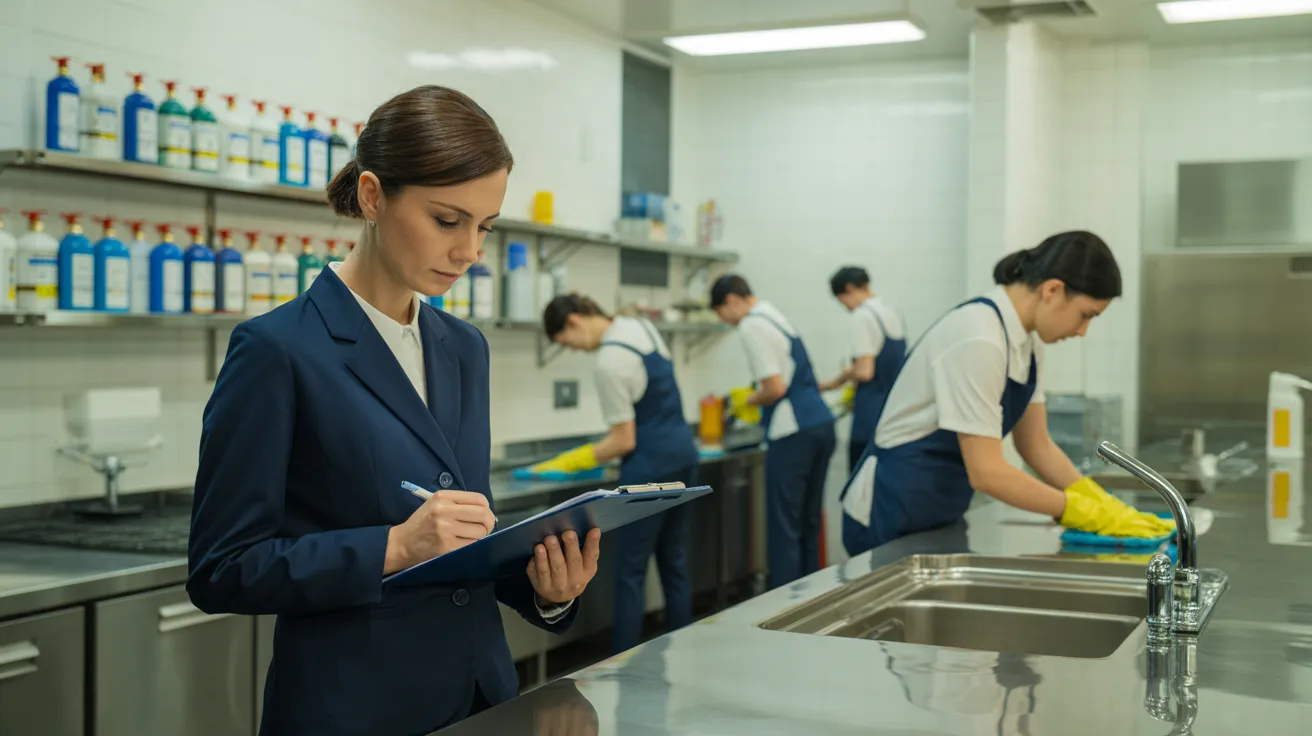
Essential Summary
- Brampton's sanitation professionals maintain restaurants, grocery departments, commissaries, warehouses, bakeries, schools, mobile vendors, and allergen-sensitive operations.
- High-touch surfaces, food-contact equipment, kitchens, floors, drains, restrooms, and storage areas are cleaned using zone-based workflows to reduce cross-contamination.
- Trained vendors verify proper chemical concentration, alignment, and contact time, then file conclusion with tests, reviews, and corrective-action records.
- Effective hygiene timelines take into account risk, production rate, changeovers, spills, and regulations when assigning regular, regular, and annual activities by area.
- Prioritize contractors exhibiting HACCP, health regulatory knowledge, safety training instruction, coverage, endorsements, color-coded implements, and compliance-ready sanitation files.
Which Brampton Facilities Need Food Safety Cleaning?
Any Brampton facility that processes, stores, prepares, packages, or distributes food needs sanitation protocols. You must implement it if your establishment falls under public health inspection, food premises regulations, or internal HACCP-based controls. That requirement covers dining establishments, break rooms, food warehouses, market sections, butcheries, seafood areas, retail shops, and facility kitchens.
Adherent hygiene cleaning is additionally essential in supply facilities, manufacturing operations, cold storage areas, bakery retailers, educational nutrition programs, banquet halls, and food delivery hubs. Temporary and mobile businesses matter too, including catering trucks, festival vendors, and pop-up food booths. Your location demands written cleaning standards if your employees process ingredients, portion ready-to-eat items, reheat products, or store allergens. In Brampton, cleanliness continues to be not elective; it forms lawful, operational, and customer protection adherence.
What Services Do Brampton Cleaning Experts Provide?
Professional cleaning teams specializing in Brampton sanitize touched surfaces, kitchen facilities, ground surfaces, and restrooms to satisfy food safety standards and health requirements. Focus on these locations occurs because they pose maximum contamination danger, potential for accidents, and possible regulatory violations.
When you understand what they clean, you can ensure your operation's cleaning procedures satisfy operational and regulatory requirements.
Sterilizing High-Touch Surfaces
base sterilization timing determined by traffic, contamination risk, and operational use.
confirm that disinfection has effective
Kitchen Areas, Floor Surfaces, and Bathroom Spaces
Brampton cleaning services zero in on kitchens, floors, and restrooms as each zone presents distinct sanitation, slip-and-fall, and wellness risks. In industrial kitchens, you need degreasing on cook lines, equipment exteriors, drains, prep surfaces, and splash zones to minimize contamination and pest pressure.
Professional floor care with documentation is also included. is likewise provided as part of the service.
For restroom sanitation, cleaners disinfect touchpoints, fixtures, partitions, dispensers, and waste containers, then refill items and eliminate smells. They also service restaurant moprooms, where chemical storage, sink hygiene, and drainage conditions can affect sanitation compliance and staff safety daily.
The Importance of Food Safety Cleaning in Brampton
In Brampton, you must copyright food-safe cleaning standards to satisfy health code requirements and pass inspections. You also reduce bacterial spread through proper cleaning of food-preparation surfaces, appliances, and frequently-touched items. Most importantly, you safeguard public health by lowering the risk of foodborne illness in your facility.
Regulatory Code Requirements
Since Brampton food businesses must follow strict public health standards, your cleaning procedures directly influences your capability to fulfill health codes, ensure the safety of diners, and avoid regulatory penalties. You must maintain sanitary food-contact surfaces, documented cleaning schedules, proper chemical use, and auditable operational standards that comply with municipal and provincial inspection expectations.
When inspectors evaluate your operation, they evaluate whether your cleaning procedures supports proper stock preservation, appliance cleanliness, refuse management, and washroom maintenance.
Contamination Prevention
Maintaining health code standards copyrights on your power to stop cross-contamination during daily food handling and cleaning. You need to partition uncooked items from finished dishes, sterilize work zones between assignments, and position cleaning agents away from food surfaces. Explicit protocols lower contamination threats and support consistent compliance during inspections.
Building allergen isolation prevents priority allergens from contacting common workstations, storage, or apparatus. Utilize dedicated cutting boards, color-coded tools, and precise instrument labeling so staff don't mix items in cooking or serving.Mandate hand cleaning following uncooked meats, shellfish, egg items, or allergen substances. Swap wiping cloths regularly, and confirm sanitizer strength with test strips. When you train staff to follow these controls each shift, you foster a cleaner, more secure operation that exceeds Brampton's safety standards consistently.
Community Health Safety
If proper sanitation declines, you don't merely face potential inspection issues—you amplify the risk of foodborne illness affecting customers, staff, and the broader Brampton region. You also weaken your role in protecting public health, especially in high-traffic food premises where contamination can spread quickly through surfaces, equipment, and touchpoints.
You depend on sanitation protocols that eliminate contaminants, properly disinfect, and verify results. This entails adhering to contact periods, deploying approved disinfectants, maintaining records, and training employees to meet compliance standards. These initiatives promote disease prevention by reducing microbes before affecting food surfaces or hands. In Brampton, effective cleaning shields vulnerable populations, minimizes disease spread, and proves your diligence. When you adhere to proper protocols, you exceed requirements—you substantially reduce risk and advance safer food handling throughout the city.
How Does Cleaning Support Food Safety Compliance?
Establishing thorough cleaning protocols bolsters food safety compliance by minimizing contamination hazards, preventing pathogen multiplication, and maintaining your facility's adherence to sanitation requirements under HACCP-based programs and public health regulations. You confirm that contact surfaces remain visibly clean and microbiologically controlled, facilitating documented preventive controls and inspection readiness.
Strategic cleaning practices also reinforce allergen management by eliminating residues that can trigger undeclared allergen exposure.
What's the Right Time to Arrange Commercial Cleaning?
regular routine cleaning
Schedule seasonal deep cleaning for shutdowns, weather-related soil buildup, or pest-pressure periods
How Do You Choose Brampton Cleaning Experts?
Evaluate providers first by sanitation compliance standards rather than cost. You must ensure each provider understands CFIA, public health, and HACCP requirements for your business. Request proof of insurance, WHMIS compliance, staff training documentation, and supervision methods. Check technician awareness of contamination prevention, chemical safety, and documented sanitation practices.
Additionally, you need to evaluate service dependability and responsibility. Obtain references from food facilities in Brampton, then review service speed, corrective-action procedures, and communication practices. Verify the company conducts supplier reviews and can deliver compliance-ready records when inspectors or external parties need proof. Verify equipment upkeep, color-coded equipment are applied correctly, and location-specific dangers are identified. A qualified provider protects compliance, product integrity, and your reputation.
Which elements are contained in a hygiene cleaning program?
Create a documented strategy that clearly outlines every sanitation duty, guideline, and expectation before production starts. You should document cleaning frequencies, approved chemicals, dilution rates, contact times, tools, and verification methods for each area, section, and machine. Don't forget to add pre-operational inspections, corrective actions, and employee training requirements.
Your framework should also cover cross-contamination prevention, waste disposal, pest management measures, and scheduled documentation for bathrooms, drainage, ground surfaces, and food-handling zones. Clarify how you'll distinguish raw from ready-to-eat operations, help with ingredient tracking, and copyright accurate allergen labeling through validated cleaning between product changes. You should define accountability, maintain signed records, and check results against regulatory standards, HACCP controls, and customer requirements. When gaps appear, adjust procedures immediately and re-educate staff.
Frequently Asked Questions about the Plan
Are sanitation providers offered for overnight shifts in Brampton facilities?
If you manage regulated spaces, you'll also require records that enable inspections and maintain assurance.
Are hazard containment services provided from sanitation professionals?
Yes, you can find many Brampton sanitation experts offering spill containment services. They manage hazardous materials, evaluate risks, contain affected areas, and execute rapid cleanup to reduce exposure and limit operational impact. You should confirm timeframes, training credentials, protocols, and procedures. If your facility needs compliance, pick a provider that logs events, maintains standards, and supports audits.
Are plant-based disinfectants suitable for food preparation areas?
Definitely, natural disinfectants operate safely on surfaces contacting food if you source disinfectants approved for food contact that comply with compliance requirements. You need to verify contact duration, dilution ratios, and rinsing needs prior to application. Plant-derived products lower chemical burden, but you must have demonstration of efficacy against relevant pathogens. To preserve residue-free areas, implement precise manufacturer instructions and verify your disinfectant meets food industry regulations.
Will sanitation programs adjust for seasonal variations?
Absolutely, cleaning plans can be customized for seasonal variations. Modify frequencies, labor allocation, sanitizers, and validation steps to match operational cycles while preserving regulatory requirements. Lower production downtime through planning sanitization surrounding changeovers, maximum output, and operational patterns. Additionally, update SSOPs, instruction programs, and environmental monitoring to account for temporary risks, new allergens, or elevated soil levels. Periodic assessments preserve the schedule effective.
Do commercial cleaners train employees on hygiene standards?
Yes, commercial cleaners often train your staff on sanitation best practices. You receive employee instruction on proper chemical use, exposure periods, cross-contamination prevention, equipment disassembly, and record keeping. They generally follow training with HACCP, GMP, and CFIA or local public health requirements. Many perform sanitation audits to confirm adherence, spot deficiencies, and reinforce corrective actions. This allows you to maintain consistent procedures, pass inspections, and minimize contamination hazards daily.
Final Thoughts
By collaborating with Brampton food safety and commercial cleaning professionals, you aren't just organizing—you keep your operation inspection-ready and your practices up to code. From production take the first step areas to kitchen zones, every clean surface and maintained corner reduces pest risk and avoids expensive losses. By arranging service on the right schedule and following a documented cleaning plan, you protect your team, clients, and your credibility. In a strictly regulated industry, clean spaces must be prioritized—they're essential to successful operations.